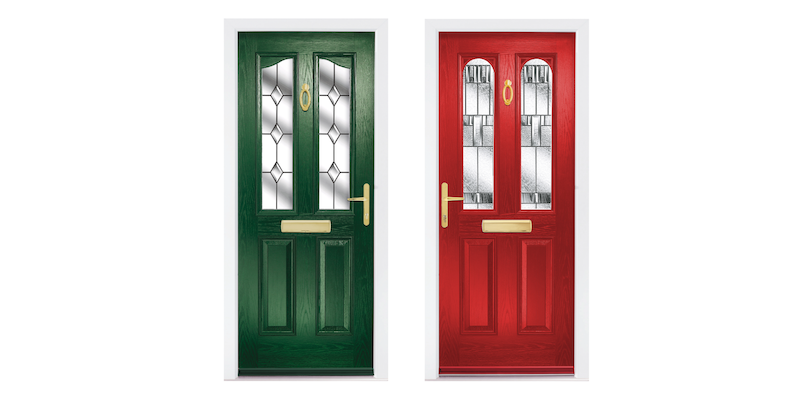
Comprehensive Guide to Composite Door Repairs: An In-Depth Look
Composite doors have actually gotten immense appeal over the last few years due to their excellent durability, visual appeal, and energy efficiency. Unlike standard wooden doors, composite doors are made from a mixture of materials, usually integrating wood, PVC, and glass-reinforced plastic. While they offer numerous benefits, composite doors are not immune to wear and tear, weather challenges, and unexpected damage. Comprehending how to repair them is important for house owners looking to keep their door's performance and appearance over time.
Typical Problems Faced by Composite Doors
In spite of their robust building and construction, composite doors might come across numerous issues. Here are a few of the most commonly reported issues:
1. Misalignment
Composite doors can end up being misaligned in time due to changes in humidity, temperature variations, or defective setup. This misalignment can trigger issues with closing and locking the door appropriately.
2. Scratches and Dents
Composite doors can establish cosmetic damage from unexpected bumps, scrapes, or extreme wear. While this doesn't impact functionality, it can significantly affect the door's look.
3. Locking Mechanism Failure
As a crucial component of any door, the locking system might wear out or breakdown with time. repairmywindowsanddoors.co.uk can jeopardize the door's security and ease of access.
4. Sealant Wear
The weather condition seals around composite doors might break down, leading to drafts and decreased energy effectiveness. A used seal can also cause water leakages.
5. Paint and Finish Damage
The paint or finish on composite doors can peel, fade, or chip, diminishing the door's appearance as well as its protective qualities.
Repair Techniques for Composite Doors
Fixing a composite door frequently includes specific methods tailored to the kind of damage encountered. Below are some efficient approaches to attend to the common issues mentioned above:
1. Attending to Misalignment
- Examine Hinges: Inspect the door hinges for wear or damage. Tighten screws as needed or replace hinges if they are malfunctioning.
- Adjust the Striker Plate: If the door isn't closing properly, adjust the striker plate to align with the lock latch.
- Shimming: If the door is sagging, think about shimming the hinges to raise the door back into alignment.
2. Fixing Scratches and Dents
- Use Composite Repair Kits: These sets generally feature fillers that can be used to scratches and damages. Once fixed, you can sand and paint over the area to mix it with the rest of the door.
- Repaint or Refinish: If the damage is substantial, repainting or refinishing the door may be essential for an uniform appearance.
3. Fixing the Locking Mechanism
- Lubrication: Often, the primary step is to use lubricant to the locking system to guarantee it moves freely.
- Replacement: If lubrication does not solve the problem, think about changing the lock cylinder or the entire hardware setup.
4. Replacing Weather Seals
- Get Rid Of Old Seals: Carefully remove the used or damaged seal from the frame.
- Install New Weather Stripping: Cut the new seal to size and adhere it effectively, ensuring it fits comfortably against the door.
5. Touching Up Paint and Finish
- Repaint: For little chips and scratches, touch up with the exact same color paint utilized initially. For larger locations, you may require to sand down the surface and repaint.
- Use a Clear Coating: Once painted, adding a clear protective coat can assist maintain the door's finish in the long term.
Preventive Measures to Extend the Life of Composite Doors
While repairs are vital in preserving your composite door, preventive steps can help reduce future issues. Property owners must think about the following ideas:
- Regular Maintenance: Routine evaluations for wear and tear can cause early detection and repair of concerns.
- Weather condition Protection: Reapply sealants and ends up frequently to protect against wetness and UV damage.
- Keep Hardware Maintained: Regularly lubricate hinges and locks to make sure smooth operation.
- Monitor for Leaks: Inspect for water penetration and address problems without delay.
FAQs about Composite Door Repairs
1. How much do composite door repairs generally cost?
The expense of repairs can differ greatly based on the level of damage and the area where you live. Minor repairs, like scratches or misalignment, might just cost a few dollars in materials, while significant repairs, such as replacing locking systems or whole sections of the door, could vary from ₤ 100 to over ₤ 500.
2. Can I repair a composite door myself?
Lots of composite door repairs can be DIY tasks with the right tools and products. Nevertheless, homeowners should beware when dealing with major concerns, particularly associated to the door's structural integrity or security.
3. How often should I perform maintenance on my composite door?
It's recommended to check and keep composite doors at least as soon as a year. This includes checks on seals, locks, hinges, and the door's overall appearance.
4. What is the lifespan of a composite door?
Composite doors can last in between 30 to 50 years with proper care and maintenance, substantially lasting longer than standard wood doors.
5. Should I employ a professional for repairs?
If you feel uneasy taking on a repair, or if the problem is major (like a failing locking system), working with a professional can conserve time and ensure that repairs are done correctly.
Composite doors provide a mix of style, security, and performance, but like any material, they are vulnerable to damage and wear gradually. By comprehending common problems and repair techniques, house owners can keep their composite doors in excellent condition, prolonging their lifespan and maintaining their aesthetic appeal. With routine maintenance and timely repairs, these doors can continue to function as a long lasting barrier against the elements and trespassers alike.